

Health
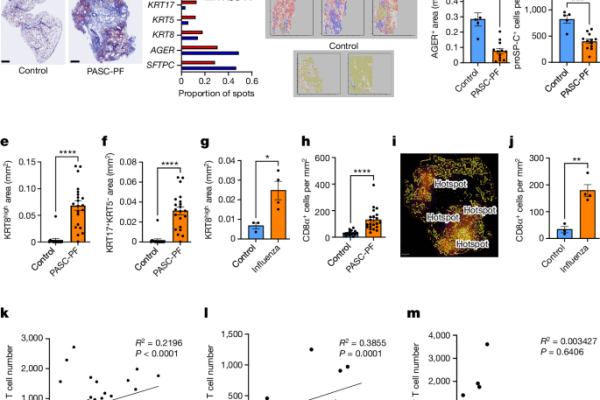
An aberrant immune–epithelial progenitor niche drives viral lung sequelae – Nature.com
CD8+ T cell–macrophage interactions have a central role in impairing alveolar regeneration and driving fibrotic sequelae after acute viral pneumonia in a mouse model of long COVID.
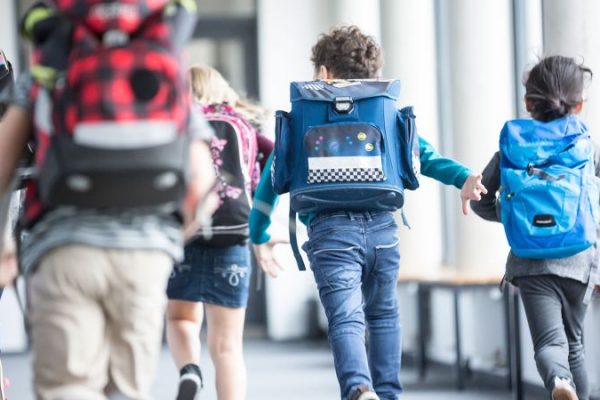
What parents can do to reduce the likelihood of kids getting sick and missing school – CNN
As more children head back to school after the US Labor Day holiday, some will be sure to catch and spread illness. Here’s what Dr. Leana Wen recommends parents do.
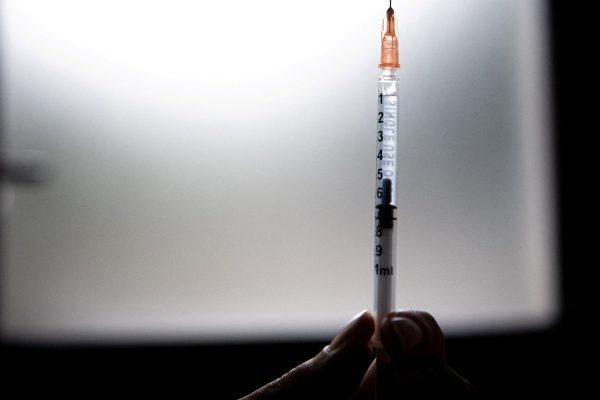
Congo expects first delivery of mpox vaccine doses on Thursday – Reuters
Democratic Republic of Congo, epicentre of an mpox outbreak that prompted a U.N. declaration of a global public health emergency, said it expects to receive its first delivery of vaccine doses on Thursday and a second delivery on Saturday.

COVID shots no longer free for uninsured, could cost up to $200 – ABC7 Los Angeles
The latest batch of COVID shots are out, but be prepared to pay up if you don’t have health insurance.

New COVID vaccine for 2024, isolation guidelines, free tests and more questions, answered – CBS News
Tested positive for COVID in 2024? Here’s what to know about isolation, testing, new vaccines and more.

Record measles outbreak in Oregon blamed on vaccine exemptions – Ars Technica
Vaccine exemptions at nearly 9% in the state, enabling sustained transmission.

How Ozempic, Wegovy, Mounjaro, Zepbound May Help Treat Other Diseases: Here’s What To Know – Forbes
These drugs work to treat diabetes and weight loss by suppressing the appetite and lowering blood sugar and A1C—which may end up being an effective treatment for Alzheimer’s, heart conditions, depression, and many other conditions.
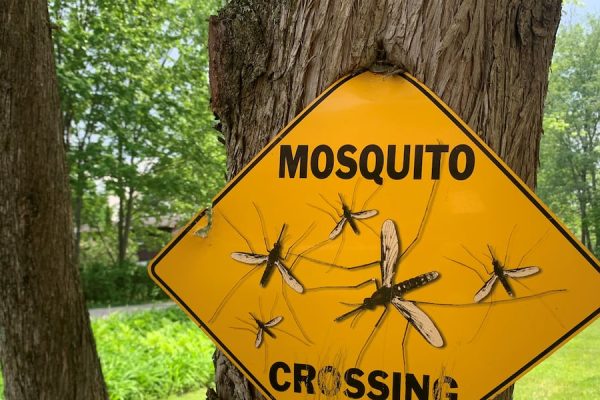
Another ‘high-risk’ town added to Vermont triple-e list – WCAX
Sudbury is now included on the list of high-risk towns where residents and visitors are urged to take protective measures against eastern equine encephalitis.
Humans are the exception: New research reveals surprising brain size trends across mammals – PsyPost
Larger animals have proportionally smaller brains than previously believed, challenging the assumption of a linear brain-body size relationship, with humans being a significant exception due to their exceptionally large brains.